

What Drives Concrete Repair Cost
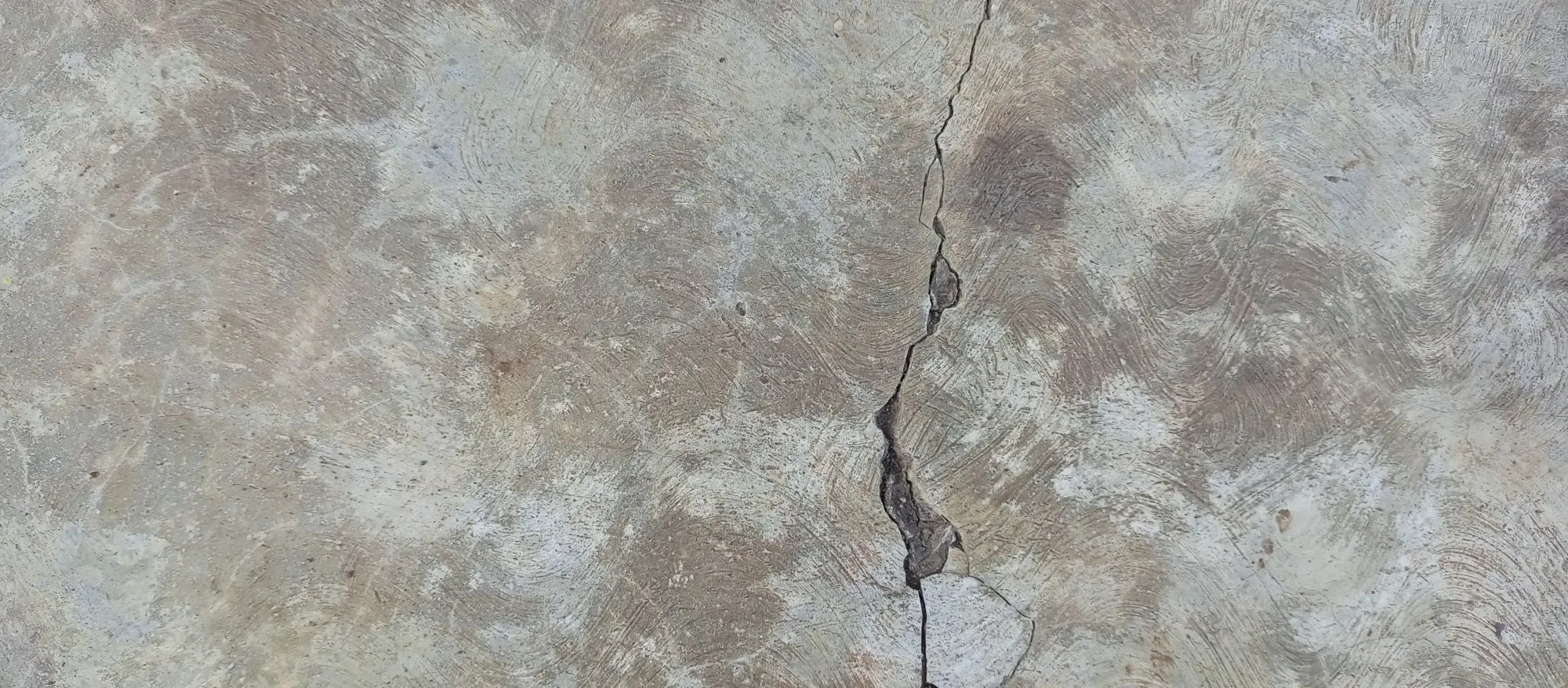
Concrete repair cost depends on the cause and extent of the damage, the repair method required, and the conditions surrounding the work area. Two repairs that appear similar at the surface can involve different preparation, materials, equipment, and labour. An on-site assessment allows Aurum Concrete to determine the likely cause of the damage and identify an appropriate repair approach.
Why Concrete Repair Costs Vary
Concrete repair is priced according to the work required to produce a stable result, not simply the visible length of a crack or size of a damaged area. A shallow surface defect may require cleaning and patching, while similar-looking damage caused by settlement could require slab lifting, base correction, or partial replacement.
Project costs also include fixed requirements such as mobilization, equipment setup, material preparation, and site protection. Because these requirements apply even to small jobs, the cost of a repair does not always decrease in direct proportion to its size.
Moisture intrusion, corroded reinforcement, unstable concrete, or movement extending beyond the visible damage can increase the scope. Repairs involving load-bearing concrete may also require assessment or repair specifications from a structural engineer. Engineering, testing, and design work should be identified separately when they are required.
Damage Type and Repair Method
The correct repair method depends on whether the damage is cosmetic, moisture-related, caused by movement, or affecting the concrete’s structural performance. Applying a surface treatment to concrete that continues to move can conceal the damage temporarily without resolving its cause.
Crack width alone does not determine the required method. Location, depth, direction, water entry, displacement, and evidence of continued movement all affect the repair scope. This is why two concrete cracks of similar length can have substantially different repair costs.
Sunken or uneven slabs introduce a separate set of cost factors. Slab lifting costs depend on the slab’s size and weight, the amount of lift required, the volume of material needed to fill underlying voids, and access for injection equipment. Stabilizing the base can require additional material even when the visible elevation change is limited.
Crack Sealing and Surface Repairs
Crack sealing and localized surface repairs are generally less involved when the surrounding concrete remains stable and the damage has not extended through a large section. The work may include cleaning the opening, removing loose material, preparing the edges, and applying a compatible repair product.
Surface sealing limits water and debris entry at the exposed face of a crack. Crack injection fills the opening within the concrete and may be used for foundation cracks, active water entry, or repairs requiring bonding through greater depth. Injection costs are affected by crack depth, access to the repair area, leakage conditions, and the selected injection material.
A rigid bonding product is not suitable for every crack. The repair method must account for whether the crack is stable, continuing to move, or connected to settlement or another structural condition. Movement that remains unresolved can cause a rigid repair to separate or crack again.
Surface patches are also affected by depth. A shallow chip may need limited material removal, while spalled concrete with exposed reinforcement requires the deteriorated material to be removed, the steel assessed and treated, and the repair area rebuilt.
Grinding, Resurfacing, and Coatings
Grinding removes high spots, weak surface material, old coatings, or irregularities that could interfere with a new finish. Its cost depends on the surface hardness, removal depth, equipment required, and amount of dust or slurry control needed.
Resurfacing covers a wider area with a bonded overlay. The existing slab must be stable and strong enough to support the new material. Preparation requirements, overlay thickness, edge transitions, and total coverage determine whether resurfacing remains practical compared with replacement.
Protective coating costs depend on the condition of the substrate, required surface profile, moisture levels, coating system, and number of application steps. Primers, multiple layers, testing, and controlled curing conditions add labour and material. A coating can protect a suitable surface from moisture, salts, staining, or wear, but it does not correct settlement, active cracking, or base failure.
Formwork and Section Replacement
Section replacement becomes appropriate when the concrete is too deteriorated, displaced, or unstable for a localized repair. Partial replacement also requires sound adjacent concrete that can support the new section and provide suitable boundaries for reinforcement and bonding. If deterioration extends beyond the proposed edges, a larger section may need removal.
The work can include cutting, demolition, excavation, base preparation, reinforcement, dowelling, formwork, concrete placement, finishing, curing, and disposal. Concrete thickness, reinforcement requirements, delivery quantities, and the selected finish all affect the estimate.
Formwork complexity also affects cost. Straight slab edges are simpler to form than steps, walls, curbs, or irregular sections. Matching an existing texture, elevation, slope, or adjoining finish can require additional forming and finishing work.
Fresh concrete must remain protected while it cures. Weather protection and the time a driveway, walkway, floor, or entrance must remain out of service can affect scheduling and site-control requirements.
Size, Depth, and Surface Condition
The total repair area determines material quantities and a significant portion of the labour. However, area alone does not provide enough information to price the work. Several small repairs spread across a property can require more cutting, preparation, and setup than one continuous area of the same total size.
Depth determines how much deteriorated material must be removed and rebuilt. Deeper repairs use more material and may expose reinforcement or underlying defects that require separate treatment.
Surface condition influences whether new repair material can bond properly. Paint, sealers, adhesives, oil, laitance, and weak concrete may need to be removed first. Concrete that appears intact but sounds hollow or breaks apart during preparation can expand the repair area beyond its visible boundaries.
Access, Preparation, and Cleanup Requirements
Open exterior areas with direct equipment access are generally simpler to repair than confined or obstructed locations. Basements, narrow side yards, occupied commercial spaces, raised structures, and areas behind fixed equipment may require smaller machinery, additional handling, or more manual labour.
Site preparation may include moving obstructions, protecting nearby finishes, isolating the work area, controlling dust, and managing slurry or debris. Interior repairs can require more extensive containment and ventilation than comparable outdoor work.
Cleanup requirements depend on the removal method and the amount of waste generated. Concrete cutting, grinding, and demolition produce material that must be collected, transported, and disposed of. Limited access can increase these costs because debris must be moved farther or in smaller loads.
Drainage and Substrate Problems That Add Cost
Concrete repairs become more extensive when water flow or the supporting base contributed to the damage. Poor grading, leaking downspouts, failed drainage components, or water collecting beside a slab can continue to affect the repaired area unless the source is corrected.
An unstable or washed-out substrate can cause slabs to sink, tilt, or crack. Depending on the condition, the work may require slab lifting, void filling, excavation, compaction, or base replacement. Repairing only the visible crack would leave the source of movement in place.
Drainage and substrate corrections are not required for every damaged surface. They become relevant when elevation changes, recurring cracks, soil erosion, voids, or persistent moisture indicate that the concrete itself is not the only problem. The estimate should identify whether corrective work must occur before the concrete repair and whether it is included in the quoted scope or priced separately.
Concrete Repair Cost Drivers
The main conditions that affect the scope and cost of concrete repair include:
Damage type: Stable surface cracks and isolated chips are generally less involved than active cracks, water entry, displacement, or structural damage.
Repair method: Crack sealing and localized patching require less work than injection, slab lifting, resurfacing, or section replacement.
Repair area: One continuous repair area is usually more efficient than several damaged areas spread across a property.
Repair depth: Shallow deterioration uses less removal and repair material than deep spalling, exposed reinforcement, or full-depth damage.
Surface condition: Clean, sound concrete requires less preparation than surfaces with coatings, contamination, or widespread weak material.
Access: Open areas with direct equipment access are simpler than confined, obstructed, elevated, or occupied spaces.
Preparation: Cutting, grinding, demolition, containment, and moisture testing add work beyond basic cleaning and edge preparation.
Substrate condition: Voids, erosion, settlement, or inadequate support can require stabilization before the visible damage is repaired.
Drainage: Ponding, poor grading, and unresolved water sources can add corrective work to the project.
Cleanup: Demolition waste, slurry control, and restricted removal routes increase handling and disposal requirements.
Timing: Urgent scheduling, cold-weather protection, heating, enclosure, or restricted working hours can increase the project scope.
These factors interact. A small repair can still involve significant work when access is restricted or the damage extends below the surface. A larger, accessible area with stable concrete may be more straightforward to complete.
Edmonton weather can also affect the work required. Low temperatures, precipitation, or unsuitable moisture levels may require heating, enclosure, surface drying, or extended protection during curing. Urgent work involving active water entry, unsafe displacement, loose concrete, or a load-bearing component can require temporary controls or faster scheduling.
When Delaying Repair Increases the Final Cost
Delaying repair increases cost when the defect allows water, salts, or repeated movement to affect a larger portion of the concrete. During Edmonton’s freeze-thaw cycles, water entering an open crack can freeze and expand, contributing to wider cracking, scaling, or spalling.
Exposed reinforcement presents a separate concern. Moisture and salts can corrode the steel, and the expanding corrosion can break away more of the surrounding concrete. A repair that initially involved a small surface area can then require deeper removal and reinforcement treatment.
Delay does not cause every minor crack to become a major repair. Stable hairline cracks and superficial imperfections may remain limited. However, cracks that widen, leak, create elevation differences, expose reinforcement, or repeatedly reappear should be assessed before deterioration changes the available repair options.
Sudden movement, significant vertical displacement, falling or loose concrete, and damage involving a load-bearing component require prompt evaluation. These conditions should not be treated as routine surface defects or monitored solely to determine whether repair costs increase.
Concrete Repair Estimates From Aurum Concrete
A concrete repair estimate should identify the affected area, proposed repair method, and preparation needed before new material is installed. It should also account for access, equipment, site protection, cleanup, and visible drainage or substrate concerns.
Photos and measurements can help establish the general scope, but they do not always reveal crack depth, concealed delamination, reinforcement corrosion, or base instability. An on-site inspection allows Aurum Concrete to assess visible conditions and identify areas requiring further investigation. Some conditions can only be confirmed after grinding, cutting, or deteriorated concrete has been removed.
If preparation exposes damage beyond the original boundaries, the additional work should be documented and priced before the repair continues. The estimate should identify relevant assumptions, exclusions, or allowances so the property owner understands which concealed conditions could change the final scope.
Crack length and square footage can form part of the calculation, but neither measurement provides a reliable price on its own. Aurum Concrete considers the repair method, depth, preparation, access, materials, and surrounding conditions when preparing a concrete repair estimate.
