

What To Do If Your Concrete Is Flaking or Chipping
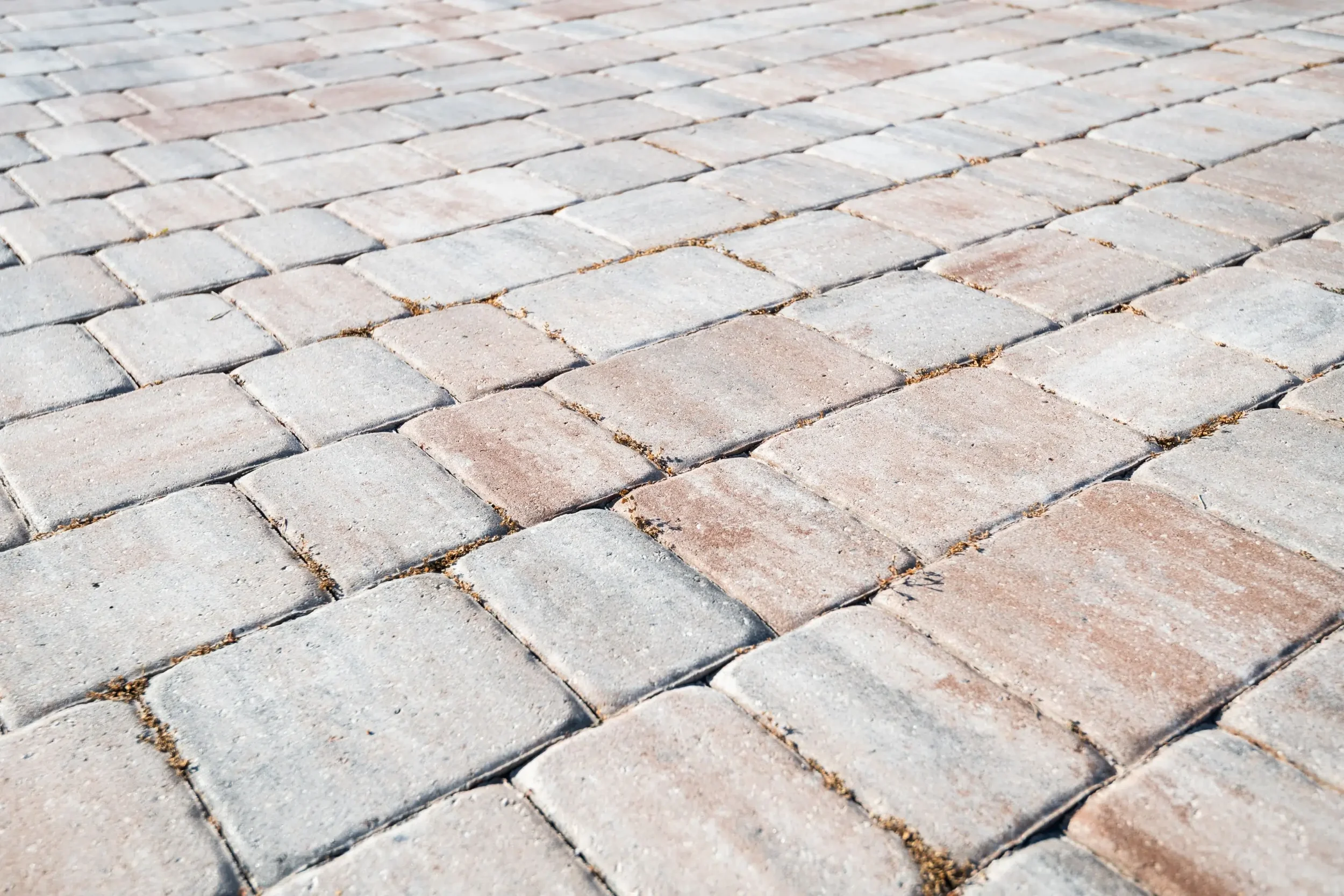
Flaking or chipping concrete is a common issue in Alberta due to harsh winters and moisture exposure. Surface deterioration can range from light cosmetic scaling to deeper material loss. Determining the cause and severity helps property owners decide whether repair, resurfacing, or full replacement is appropriate. Aurum Concrete evaluates damaged slabs across Alberta and provides repair and resurfacing recommendations based on structural condition rather than surface appearance alone.
Why Concrete Flakes or Chips in Alberta
Concrete deteriorates when moisture enters the surface and expands during freeze thaw cycles. Alberta’s climate creates repeated expansion and contraction, which stresses the top layer of the slab.
When the surface paste weakens, small fragments begin breaking away. Traffic loads, snow removal equipment, and chemical exposure accelerate this breakdown. If left untreated, minor flaking can progress into deeper structural deterioration.
Common Causes of Surface Damage
Surface damage typically results from environmental exposure combined with construction or finishing factors.
Freeze Thaw Cycles and Moisture Expansion
Water penetrates porous concrete surfaces. When temperatures drop below freezing, trapped moisture expands and creates internal pressure. Repeated freeze thaw cycles weaken the surface and cause scaling or cracking.
De Icing Salts and Chemical Exposure
De icing salts increase saturation levels and intensify freeze thaw stress. Salts draw moisture into the slab and can chemically attack surface paste, especially on driveways and walkways.
Poor Finishing or Overworked Surfaces
Concrete that was overworked during finishing may contain excess surface water. This weakens the top layer and makes it more vulnerable to scaling.
Improper Curing and Early Bond Failure
Concrete must cure under controlled conditions to reach full strength. If curing is rushed or incomplete, the surface layer may not bond properly, increasing the likelihood of early flaking.
Understanding Scaling vs Spalling
Scaling refers to shallow flaking that affects only the surface layer of concrete and often appears as thin patches of missing material.
Spalling involves deeper deterioration where larger pieces break away and aggregate may become exposed. Spalling can indicate bond failure or moisture intrusion beyond the surface layer.
Understanding the difference helps determine whether resurfacing is sufficient or whether structural replacement is necessary.
How To Evaluate the Severity of Concrete Damage
Evaluating severity requires examining both depth and spread.
Cosmetic Surface Flaking
Light surface scaling that does not expose deep aggregate typically remains cosmetic. If the slab underneath feels solid and stable with no settlement or major cracking, repair or resurfacing may be appropriate.
Localized Chipping or Edge Damage
Small chips along edges or control joints may result from impact, snow removal equipment, or moisture concentration. These areas can often be stabilized and patched if deterioration is limited.
Widespread Spalling or Structural Concerns
When large sections show deep material loss, hollow sounding areas, or extensive cracking, the slab may be structurally compromised. In these cases, surface repair will not provide a long term solution.
Repair Options for Minor Flaking and Chipping
When deterioration is limited to the surface layer, several repair strategies can restore durability and appearance.
Grinding and Removing Loose Material
All loose or delaminated concrete must be removed before repair begins. Grinding stabilizes the remaining surface and creates a proper bonding profile.
Patching Small Areas
Localized chips can be filled using repair compounds designed to bond with existing slabs. Proper preparation ensures long term adhesion.
Applying a Concrete Resurface
If scaling is widespread but shallow, a bonded overlay can restore a uniform finish across the slab. Property owners interested in restoring worn concrete can review surface renewal solutions available through Alberta concrete restoration specialists to understand how overlays extend slab life without demolition.
Proper Surface Preparation and Bonding
Successful repair depends on thorough cleaning, mechanical profiling, and appropriate bonding agents. Skipping preparation increases the likelihood of premature failure.
When Resurfacing Is Appropriate
Resurfacing is appropriate when the slab remains structurally stable but shows cosmetic deterioration. Shallow scaling, minor pitting, and surface wear are typical conditions where overlays improve both protection and appearance.
When the base concrete is intact, resurfacing extends service life and restores uniform texture.
When Full Replacement Is Necessary
Full replacement becomes necessary when structural integrity is compromised. Deep cracks caused by settlement, widespread spalling, exposed reinforcement, or base instability indicate that cosmetic repair will not correct the problem.
Replacement addresses underlying structural issues rather than masking visible damage.
The Role of Proper Sealing
Sealing protects concrete by limiting moisture penetration. A penetrating sealer reduces water absorption and decreases freeze thaw stress.
By minimizing moisture intrusion, sealing helps prevent future scaling and surface breakdown, particularly in driveways and walkways exposed to winter salt.
Preventing Future Concrete Deterioration in Alberta
Preventative maintenance reduces long term damage:
• Apply penetrating sealer at recommended intervals
• Improve drainage to prevent standing water
• Limit heavy salt use during winter
• Repair small cracks before moisture infiltration increases
• Use snow removal tools that minimize scraping damage
• Monitor edges and joints for early signs of deterioration
Consistent maintenance slows surface breakdown and protects structural integrity.
When To Contact Aurum Concrete
Determining whether flaking concrete can be repaired requires evaluating depth, cause, and slab stability. Professional assessment prevents investing in temporary cosmetic fixes when structural repair is required.
Property owners across Alberta experiencing ongoing scaling or chipping can request an inspection through the Aurum Concrete project consultation form to determine whether patching, resurfacing, or full slab replacement is the most appropriate solution.
