

How to Fix Concrete That’s Pitted or Damaged by Road Salt
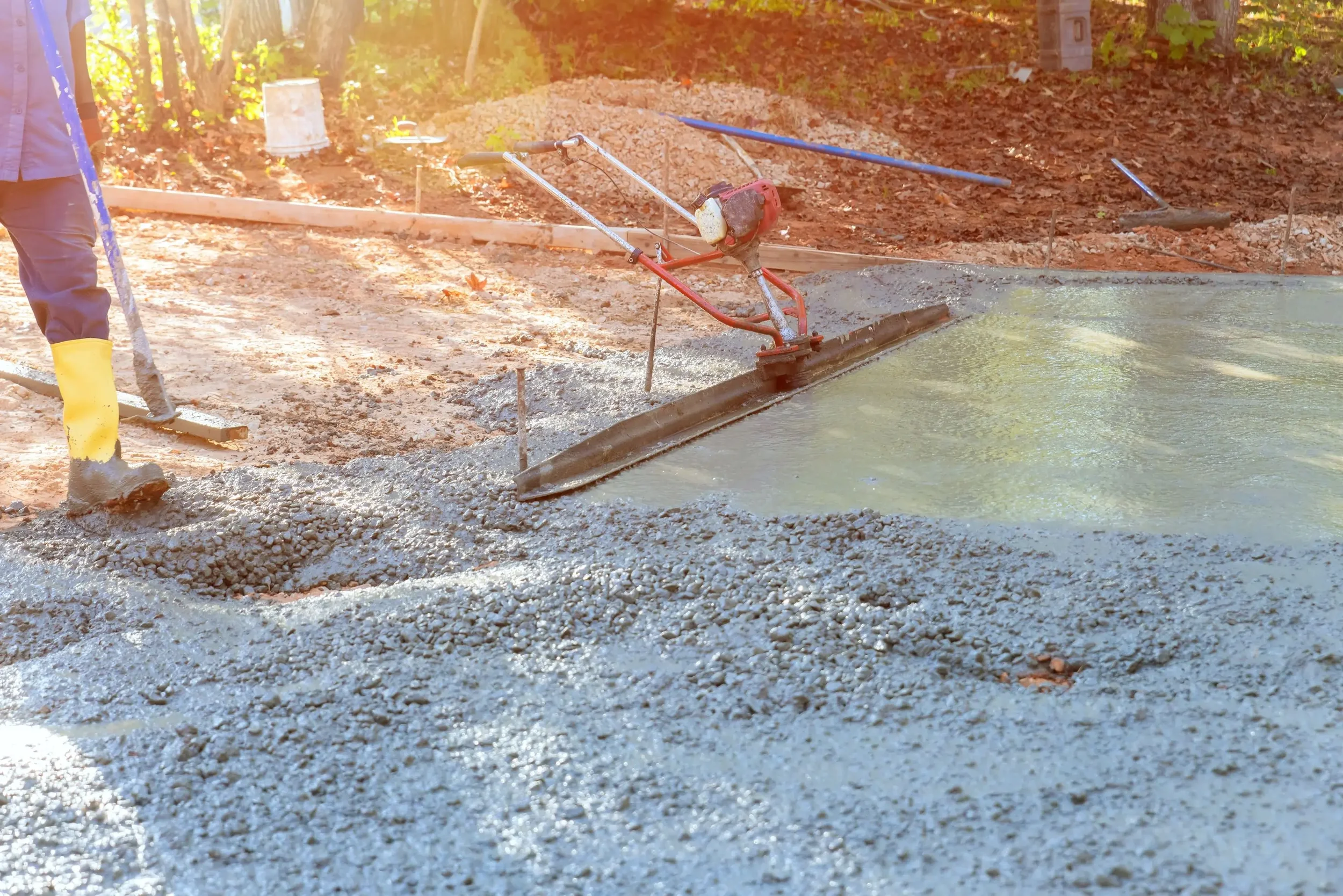
Concrete pitting and surface erosion are common problems across Alberta due to winter road salt exposure. Driveways, garage floors, walkways, and entry aprons are especially vulnerable when de icing chemicals penetrate the surface. Damage can range from shallow cosmetic pitting to deeper deterioration that compromises durability. Aurum Concrete works with property owners across Alberta to evaluate salt damaged concrete and determine whether repair, resurfacing, or full replacement is the appropriate long term solution.
Why Road Salt Damages Concrete in Alberta
Alberta winters involve repeated freeze thaw cycles combined with heavy de icing use. When salt lowers the freezing point of water, it increases surface moisture and prolongs saturation. This extended moisture exposure accelerates deterioration.
Salt itself does not typically destroy structurally sound concrete. Damage occurs when moisture penetrates the surface layer and freeze thaw stress repeatedly expands within the slab. Over time, the cement paste weakens and begins to erode under traffic and environmental exposure.
How Salt Penetration Causes Pitting and Scaling
Salt related deterioration develops through both chemical interaction and physical expansion forces.
The Role of Calcium Chloride and De Icing Chemicals
Calcium chloride and similar de icing agents draw moisture into concrete. These chemicals increase surface saturation and intensify freeze thaw cycling within the slab. Chemical reactions can weaken the surface paste, especially when exposure is repeated over multiple seasons.
As the top layer softens, traffic abrasion accelerates pitting.
Freeze Thaw Expansion and Surface Breakdown
When trapped moisture freezes, it expands and creates internal pressure. Without adequate protection, small fragments break free from the surface. Repeated cycles gradually transform minor surface roughness into visible pitting and scaling.
Once surface texture becomes porous, moisture absorption increases and the deterioration cycle speeds up.
Air Entrainment and Its Importance in Durability
Properly air entrained concrete contains microscopic air pockets that allow freezing water to expand without damaging the slab. Older slabs or improperly mixed concrete may lack sufficient air entrainment, which increases vulnerability to salt related freeze thaw damage.
Identifying Surface Erosion vs Deeper Structural Damage
Surface erosion appears as shallow pits, scaling, or rough texture limited to the top layer. Structural damage presents as deep spalling, large detached sections, exposed aggregate, or visible cracking tied to slab movement.
If damage remains superficial and the slab feels stable under load, repair may be possible. If cracking extends through the slab or sections sound hollow, structural failure may be present.
How to Assess the Depth of Salt Damage
Severity assessment helps determine the correct course of action.
Surface Level Pitting
Shallow pitting confined to the cement paste layer is often cosmetic. When the underlying slab remains solid with no settlement or deep cracking, resurfacing or patching may be appropriate.
Moderate Scaling and Aggregate Exposure
When aggregate becomes visible but the slab remains intact, surface restoration may still be viable. Proper preparation and overlay systems can restore uniform texture and protect the concrete from further moisture intrusion.
Deep Spalling and Bond Failure
If large pieces have detached, reinforcement is exposed, or cracking suggests slab instability, replacement may be required. Surface repair will not correct base deterioration.
Repair Options for Salt-Damaged Concrete
Repair methods depend on depth and spread of deterioration.
Surface Preparation and Grinding
All loose or weakened material must be removed before repair. Mechanical grinding stabilizes the slab and creates the proper bonding profile for repair materials.
Polymer Modified Repair Materials for Patching
Polymer modified repair products improve adhesion and flexibility. These materials are used to fill localized pits and shallow damaged areas after proper preparation.
Concrete Resurfacing Systems
For widespread but shallow salt damage, bonded overlay systems create a new protective layer. Property owners reviewing restoration options can explore Alberta based resurfacing applications offered through Aurum Concrete’s project portfolio to understand how overlays protect driveways and walkways exposed to winter salt.
Densifiers to Strengthen Surface Layers
Concrete densifiers penetrate the surface and chemically react to increase hardness and reduce porosity. While densifiers do not reverse structural damage, they improve resistance when deterioration is limited to the upper layer.
Protective Sealers for Moisture Resistance
After repair, applying a penetrating sealer reduces future salt intrusion. Sealers decrease water absorption and help protect against recurring freeze thaw stress.
When Repair Is Not Enough and Replacement Is Required
Repair is not suitable when structural integrity is compromised. Slabs showing extensive cracking from settlement, severe spalling through the slab thickness, or base instability require removal and replacement.
Applying cosmetic repairs over unstable concrete often results in repeated failure and wasted investment.
Preventing Future Salt Damage
Preventative steps reduce long term deterioration:
• Apply penetrating sealer before winter exposure
• Improve drainage to prevent standing meltwater
• Avoid excessive calcium chloride application
• Rinse surfaces in spring to remove salt residue
• Consider alternative de icing materials when possible
• Maintain proper grading to direct water away from the slab
Consistent winter maintenance slows surface erosion and extends concrete lifespan.
Residential and Light Commercial Applications
Salt damage commonly affects residential driveways, garage floors, walkways, and entry aprons. Light commercial properties such as retail fronts and office walkways experience similar exposure patterns.
Repair and resurfacing are appropriate when slabs remain structurally sound and traffic loads are moderate. Heavier commercial or structurally compromised slabs may require replacement.
When to Contact Aurum Concrete
Determining whether salt damaged concrete can be repaired requires evaluating depth, stability, and moisture exposure history. Professional assessment ensures the chosen solution aligns with slab condition.
Property owners across Alberta experiencing pitting or scaling can request an inspection through the Aurum Concrete service inquiry page to determine whether patching, resurfacing, densifying, or full replacement is the most appropriate long term solution.
