

How De-icing Salt Damages Concrete (And How to Minimize It)
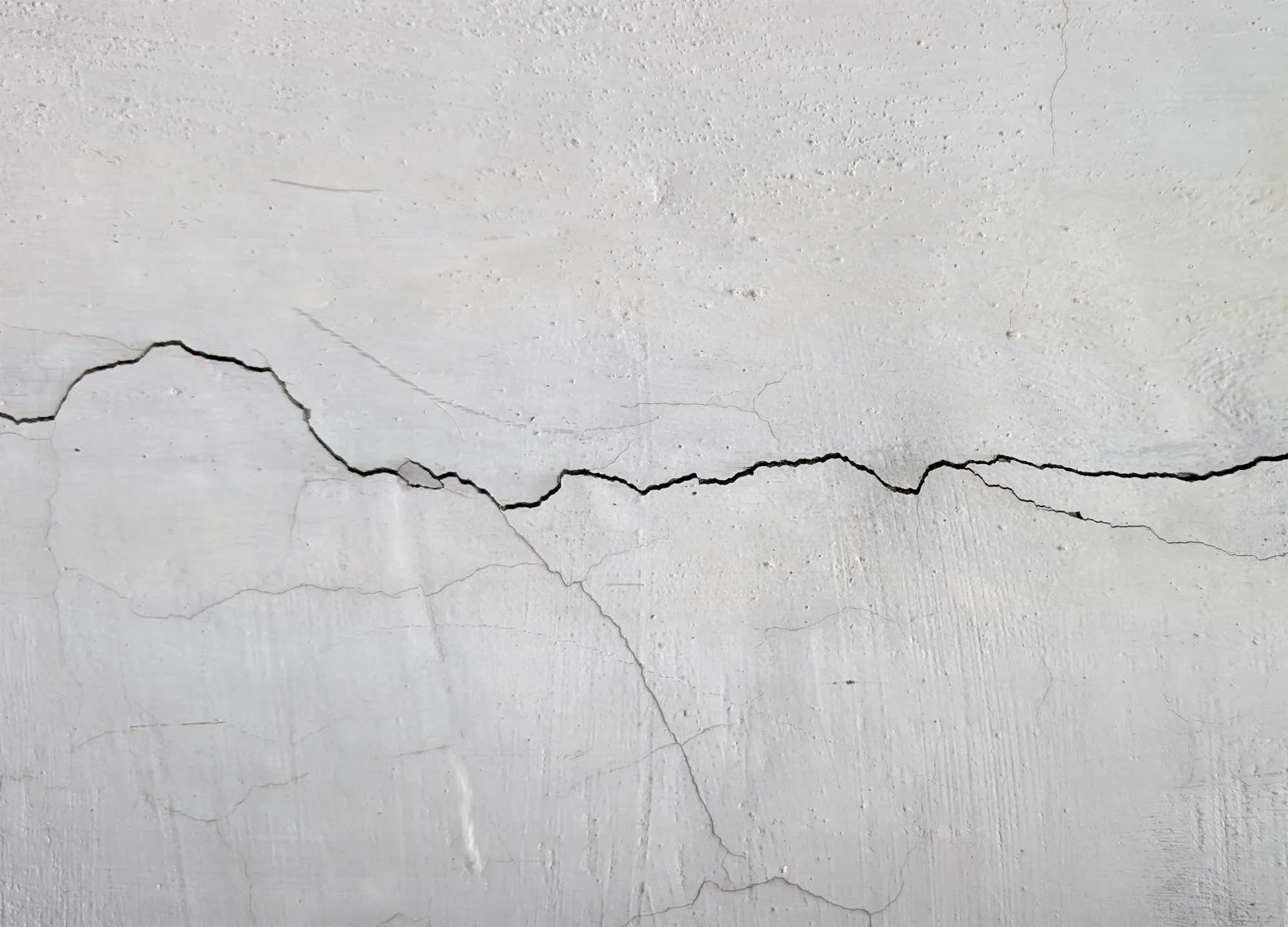
De-icing salt can damage concrete by increasing moisture penetration, intensifying freeze-thaw stress and, with some products, contributing to chemical deterioration within the cement paste. The level of risk depends on the type and concentration of de-icer, the condition of the concrete, drainage and how often the surface is exposed. Aurum Concrete explains how Edmonton property owners can maintain safer winter surfaces while reducing avoidable concrete deterioration.
What De-icing Salt Actually Does to Concrete Surfaces
Concrete contains interconnected pores that can absorb water and dissolved de-icing chemicals. When this solution enters the surface, repeated saturation, freezing and thawing can weaken the cement paste surrounding the aggregate.
Salt-related deterioration usually begins near the exposed surface, but it does not always remain cosmetic. Continued exposure can lead to deeper delamination, material loss and, in reinforced concrete, corrosion around embedded steel.
Different de-icing products create different risks. Sodium chloride primarily increases chloride exposure and freeze-thaw activity. Calcium chloride and magnesium chloride can also contribute to chemical reactions within hardened cement paste. Product type matters, but concentration, application frequency and surface saturation often have a greater effect than a single controlled application.
Chemical Breakdown of Surface Layers
Some chloride de-icers can react with compounds within hardened cement paste after entering the concrete as concentrated brine. These reactions may alter the internal pore structure or create expansive compounds that weaken the bond between the cement paste and aggregate.
Calcium chloride and magnesium chloride do not affect concrete in exactly the same way. Magnesium chloride can attack calcium-based components of the cement paste, while calcium chloride may contribute to the formation of expansive calcium oxychloride compounds under certain conditions. These processes can accelerate surface softening, scaling and separation when exposure is frequent.
Chloride ions may also travel deeper through pores, joints and existing defects. Where concrete contains reinforcing steel, sufficient chloride accumulation can disrupt the protective environment around the steel. Corrosion requires moisture and oxygen as well as chloride exposure. As the steel corrodes, the corrosion products expand and may cause cracking, delamination or spalling around the reinforcement.
This corrosion risk applies only to concrete containing embedded steel. Unreinforced residential slabs can still suffer significant surface deterioration, but they do not face reinforcement-related corrosion.
Increased Freeze-Thaw Stress From Salt Exposure
De-icing chemicals lower the freezing point of water and create brine on the concrete surface. As temperatures change, this brine can melt ice, enter the concrete and later freeze again. The result may be more wetting and freezing cycles than the surface would experience if it remained continuously frozen.
Water expands as it freezes. When concrete pores are highly saturated, the resulting internal pressure can exceed the strength of the surrounding cement paste. Repeated cycles gradually loosen the finished surface and expose the aggregate beneath it.
Air-entrained concrete contains microscopic air spaces that help relieve this pressure. Air entrainment reduces freeze-thaw risk, but it does not make concrete immune to salt damage. Performance also depends on proper curing, finishing, drainage and whether the concrete can dry before reaching critical saturation.
De-icers also lose effectiveness below their intended operating temperature. Applying a product in conditions colder than its labelled range may leave concentrated chemicals on the concrete without producing reliable melting or traction improvement.
Why Salt Damage Is Worse in Edmonton’s Climate
Edmonton concrete is exposed to extended winter conditions, recurring temperature changes and road salt carried onto private properties by vehicles. These conditions can keep horizontal surfaces wet or contaminated for long periods, even when the property owner does not apply salt directly.
Snow stored along driveway edges can contain road brine and release concentrated meltwater during warmer periods. Vehicle slush can collect near garage entrances, while shaded areas may thaw slowly and remain damp. Prolonged chemical contact gives brine more time to enter porous or already deteriorated concrete.
Repeated Freeze-Thaw Cycling
A single freeze does not automatically cause visible concrete damage. Risk increases when the surface repeatedly absorbs moisture, freezes, thaws and becomes saturated again.
Temperature changes near the freezing point are especially important because they create repeated transitions between water, ice and brine. De-icing chemicals may increase the number of these transitions by causing partial melting during cold weather.
Driveway entrances, garage thresholds, downspout discharge areas, shaded walkways and low sections may cycle more frequently than the surrounding slab. These locations often remain wet after nearby concrete has dried, which can concentrate scaling and pitting within defined patches.
Moisture Retention and Surface Saturation
Concrete becomes more vulnerable to freeze-thaw damage when its pores contain enough water that freezing pressure cannot dissipate safely. Salt brine can remain liquid below the normal freezing point of water, allowing moisture to penetrate while outdoor conditions remain cold.
Some chloride de-icers, particularly calcium chloride and magnesium chloride, also attract and retain moisture. This can keep treated areas damp after surrounding surfaces have begun to dry.
Snow piles, poor drainage and repeated applications extend contact between the concrete and contaminated meltwater. Removing salty slush usually limits exposure more effectively than allowing it to melt slowly across the slab. Concrete that drains and dries between weather events generally faces less risk than concrete that remains continuously saturated.
Early Signs of Salt Damage Most Homeowners Miss
Salt-related deterioration often begins as a change in surface texture rather than a large crack. Early identification helps determine whether cleaning, reduced de-icer use and surface protection remain appropriate or whether material loss already requires repair.
White deposits alone do not prove that permanent damage has occurred. Dried de-icer residue and efflorescence can both leave a white or pale deposit. De-icer residue comes from applied or tracked-in chemicals, while efflorescence forms when moisture carries naturally occurring salts through the concrete and deposits them as it evaporates.
Cleaning the area and monitoring whether the deposit returns can help distinguish residue from developing surface deterioration. Loose paste, flaking, cavities and newly exposed aggregate are more reliable signs that physical damage has begun.
Scaling and Surface Flaking
Scaling occurs when thin layers of the finished concrete surface peel or flake away. It may begin as small chips, rough patches or shallow areas that resemble ordinary winter wear.
The condition becomes more significant when loose material returns after cleaning or when affected areas expand after each winter. Newly exposed concrete is often more porous than the original finished surface, which can increase water and salt absorption.
Scaling should be distinguished from deeper spalling or delamination. Scaling generally affects thin surface layers. Hollow-sounding areas, thicker detached sections, deeper cavities or exposed reinforcing steel suggest that deterioration extends farther below the surface.
Pitting and Aggregate Exposure
Pitting appears as small cavities where cement paste has detached. As deterioration progresses, the stones within the concrete mixture may become visible and the surface develops a coarse, uneven texture.
Visible aggregate does not always indicate damage. Exposed-aggregate concrete is intentionally finished to reveal stone across a consistent decorative surface. Salt-related aggregate exposure usually appears as an unplanned change accompanied by paste loss, irregular cavities, loose material or progressive roughening.
Aggregate exposure does not automatically mean the slab has lost structural capacity. It does confirm that part of the original wearing surface is gone and cannot be restored through cleaning or sealing alone.
Salt may accelerate pitting and paste loss, but it is not always the only contributing factor. A weak surface caused by inadequate curing, improper finishing or excess water near the surface may deteriorate faster once de-icing chemicals and freeze-thaw cycles are introduced.
When Salt Damage Requires Repair Instead of Maintenance
Maintenance can reduce future exposure, but it cannot replace concrete that has already detached. Repair becomes necessary when loose material continues to develop, deterioration creates a safety concern or the remaining surface is too unstable to accept a protective treatment.
White residue without flaking, softness or material loss generally indicates exposure rather than confirmed deterioration. Clean the surface, reduce future de-icer use and monitor the area for changes.
Small, isolated areas of shallow scaling may remain suitable for localized repair when sound concrete is present beneath the damaged surface. Loose material must be removed before determining whether a repair product can bond properly.
Scaling or pitting that expands after each winter indicates ongoing deterioration rather than temporary surface wear. A repair assessment should determine how deeply the damage extends and whether the remaining concrete can support a bonded repair or resurfacing treatment.
Widespread loose paste, recurring debris and increasing aggregate exposure mean a significant portion of the wearing surface has been lost. Sealer alone cannot restore this material or stabilize concrete that continues to detach.
Hollow-sounding areas, deep cavities and thicker detached sections may indicate delamination beneath the visible surface. All unsound concrete must be removed before the repair depth and scope can be confirmed.
Exposed reinforcing steel, rust staining or cracking above reinforcement may indicate corrosion-related deterioration. These conditions require an assessment of the embedded steel and surrounding concrete before a repair method is selected.
Slab movement, unstable sections or deterioration extending through the concrete may prevent a surface repair from performing properly. Partial or complete replacement may be more practical when the underlying slab is no longer stable.
Salt damage becomes irreversible once cement paste or aggregate has physically detached. This does not mean the slab cannot be repaired. It means cleaning, reduced salt use and sealing cannot recreate the missing concrete.
Bonded repairs and resurfacing treatments require a stable, sound substrate. They are not suitable where deterioration continues beneath the surface, the slab is moving or preparation cannot reach solid concrete.
How to Minimize Concrete Damage From De-icing Salt
The lowest-risk approach combines prompt snow removal, controlled chemical use, effective drainage and suitable surface protection. Safety remains the priority on stairs, sloped walkways and public access routes, but applying more de-icer than necessary does not provide proportionally better melting or traction.
Avoid chloride de-icers during the first winter after concrete placement. Newly placed concrete is still developing durability and may be more vulnerable to saturation and scaling. Clean traction sand is generally a lower-risk option during this period.
Safer Alternatives to Traditional Salt
Clean sand or grit improves traction without chemically melting the ice. It avoids chloride exposure but must be reapplied after snow removal and cleaned up once winter conditions improve. It may also enter drains or collect indoors when tracked from walkways.
Non-chloride chemical de-icers, such as calcium magnesium acetate or potassium acetate, may reduce chloride-related corrosion and chemical deterioration. They usually cost more than traditional road salt and must still be checked for compatibility with the concrete, surrounding materials and drainage conditions.
Products marketed as concrete-safe are not necessarily damage-free. Many still contain sodium chloride, calcium chloride or magnesium chloride. A product may be less harmful to pets, vegetation or metal without being safer for concrete.
The product label should identify the active ingredient, operating temperature and application rate. Broad claims such as eco-friendly, pet-safe or concrete-friendly do not replace this information.
Proper Application and Timing
Mechanical removal should handle as much snow and loose ice as practical before a chemical de-icer is applied. Spreading de-icer over accumulated snow wastes material and creates a larger volume of contaminated meltwater.
Traditional de-icing treats ice that has already formed. Anti-icing products are applied before a forecast event to reduce bonding between snow or ice and the surface. Pre-treatment may reduce the total amount of chemical required in suitable conditions, but it still exposes the concrete to de-icing compounds and should only be used according to the product instructions.
When chemical treatment is necessary:
Apply the product only to remaining ice or critical traction areas.
Stay within the labelled coverage rate and temperature range.
Avoid concentrated piles, visible bands or repeated applications without removing old residue.
Remove loosened ice and contaminated slush after the product works.
Sweep away dry residue when conditions permit.
Keep chloride de-icers off concrete during its first winter.
Overapplication increases chloride concentration and the amount of contaminated meltwater without guaranteeing faster melting or safer traction.
Washing the surface may help remove residue during suitable weather, but runoff must not create refreezing hazards or carry concentrated salts into landscaping, storm drains or neighbouring surfaces. Dry sweeping and controlled slush removal may be more appropriate during freezing conditions.
Sealing and Surface Protection Strategies
A penetrating sealer can reduce the amount of water and dissolved salt absorbed by sound concrete. Silane and siloxane products penetrate below the surface and provide water repellency without creating a continuous film across the slab.
Film-forming coatings remain at or near the surface. Depending on the product and application, they may alter traction, wear under vehicle traffic or trap moisture if applied to unsuitable concrete. Exterior horizontal surfaces require a product selected for freeze-thaw exposure, abrasion and slip resistance.
Sealing does not make concrete immune to salt damage. Performance depends on surface preparation, concrete porosity, moisture conditions, application temperature and ongoing maintenance. Loose scaling, delamination and contaminated concrete usually require cleaning or repair before sealing.
Recently placed or repaired concrete must cure sufficiently before treatment. The required waiting period depends on the repair material, sealer formulation and moisture level, so manufacturer and installer requirements should be followed.
Sealer performance declines over time. Rapid darkening when the surface becomes wet, immediate water absorption or the loss of visible water beading may indicate that water repellency has weakened. Reapplication should be based on surface performance and product requirements rather than a fixed assumption that one treatment is permanent.
Long-Term Impact of Repeated Salt Exposure on Concrete Lifespan
Salt damage does not follow a fixed timeline. Some surfaces show scaling during their first few winters, while well-placed and well-maintained concrete may tolerate longer exposure before visible deterioration develops.
Progression is fastest where porous concrete, high salt concentrations, frequent saturation and poor drainage occur together. Each winter can remove more of the protective wearing surface, increasing absorption and making later damage easier to initiate.
Repeated exposure also increases the likely scope of future repair. A small localized area may initially require limited material removal, while widespread delamination or reinforcement corrosion may require deeper repair or partial replacement.
Repair restores damaged material, but it does not independently prevent future salt exposure. Long-term performance still depends on drainage, snow storage, de-icer selection, application practices and surface protection.
Aurum Concrete evaluates concrete condition and the factors contributing to deterioration before determining whether damaged areas remain suitable for repair.
Protecting Driveways, Walkways, and Surfaces With Concrete Repair Solutions in Edmonton
Driveways, walkways, steps and garage surfaces do not receive salt in the same way. Driveways and garage entrances often collect concentrated road brine from vehicles. Walkways and steps are more likely to receive direct de-icer applications. Low areas may deteriorate because contaminated meltwater repeatedly collects and refreezes.
The exposure source affects what must change after repair. Vehicle-carried brine may require more frequent slush removal near garage entrances. Directly treated walkways may require a different de-icer or lower application rate. Drainage-related saturation must be corrected where practical so repaired areas are not repeatedly exposed to standing meltwater.
A concrete assessment should identify the depth of material loss, remove loose or unsound concrete and confirm that the remaining substrate can support the selected repair. Surface treatment alone may be insufficient where deterioration extends below the visible area or the slab continues to move.
Aurum Concrete provides concrete repair in Edmonton for damaged concrete surfaces. Repairing deteriorated areas can restore function and remove unstable material, but reducing recurrence also requires appropriate winter maintenance, drainage and de-icer use.
