

Concrete Grinding vs Resurfacing: Which Fix is Best?
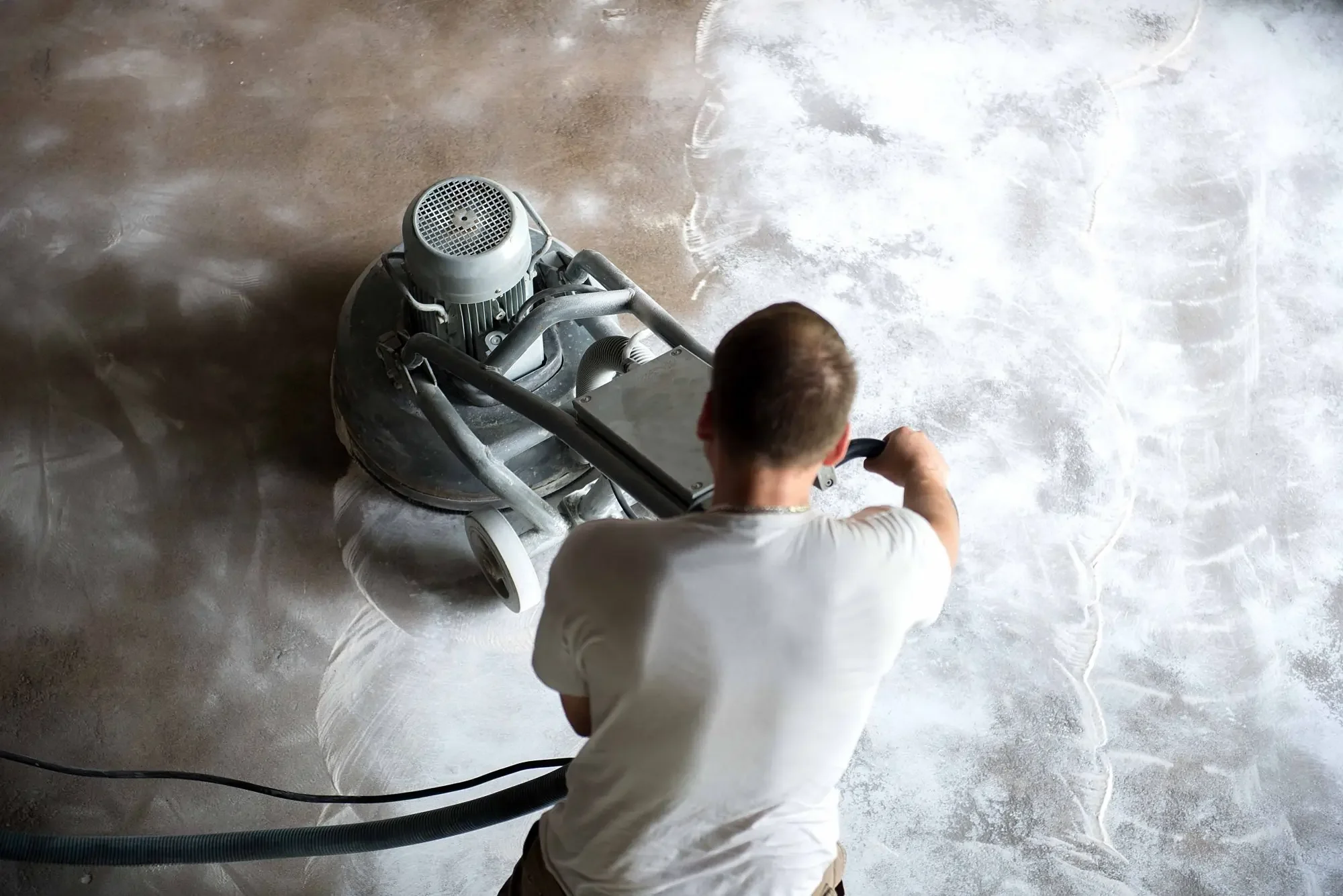
Concrete grinding vs resurfacing is a common decision when a slab looks damaged, uneven, or worn but may not need full replacement. The right choice depends on whether the problem is limited to the surface, how much material needs to be corrected, and whether the existing concrete is still sound enough to support a lasting repair. Aurum Concrete uses both methods in Edmonton, but each one solves a different kind of problem.
What Problem Are You Trying to Fix? Surface vs Structural Damage
The first question is not which method looks better, but what type of defect is actually present. Grinding and resurfacing are both surface correction methods, so neither one is meant to solve active slab movement, deep cracking caused by structural failure, or base issues underneath the concrete such as subgrade settlement, voids, or poor compaction.
Surface damage is limited to the top layer of the slab, while structural damage affects how the slab performs as a whole. Observable indicators of structural issues include vertical displacement between sections, cracks that widen over time, seasonal shifting, or areas that sound hollow when tapped.
When Surface Imperfections Are the Main Issue
Surface imperfections usually include minor height differences, shallow flaking, light surface wear, old adhesive residue, and small trip edges typically under about 6 to 10 mm. Cosmetic roughness that affects usability more than structural capacity also falls into this category. In these cases, the slab remains intact, allowing correction without removal and replacement.
When defects stay within the top layer and the underlying concrete is dense and stable, both grinding and resurfacing may be viable options. Grinding is typically selected to improve safety and correct elevation differences, while resurfacing is chosen when a uniform and restored finish is required across a broader area.
When Damage Goes Beyond the Top Layer
Damage extends beyond the top layer when cracks are moving, sections are loose, scaling reaches deeper than a few millimeters, or deterioration exposes aggregate and reduces surface integrity. Internal breakdown may appear as spalling, deep pitting, or loss of cohesion.
Applying resurfacing over compromised concrete often leads to early delamination, reflective cracking through the new layer, or sections lifting under stress. Under these conditions, grinding may expose additional weakness without resolving the underlying issue.
How Concrete Grinding Works for Uneven or Raised Surfaces
Concrete grinding removes material mechanically from the existing slab to reduce high spots, smooth uneven transitions, and create a more level surface. This method corrects the slab rather than covering it and is limited by slab thickness and the presence of reinforcement.
Typical grinding depth remains limited to shallow material removal. Excessive removal can weaken the slab or expose aggregate and reinforcement, reducing durability. The process must account for safe removal limits to avoid compromising performance.
What Grinding Removes and What It Leaves Behind
Grinding removes raised portions of the surface, including minor lippage, irregularities, and shallow defects that can be corrected without structural impact. Deeper cracks and internal deterioration remain unaffected.
The result is the original concrete at a lower and more even level. Discoloration, patching, or visible aggregate may still be present. Surface texture may also appear slightly rough depending on the grinding method.
Over-grinding can create low areas or disrupt intended slopes, potentially leading to drainage issues or water pooling.
Where Grinding Performs Best (Trip Hazards, High Spots)
Best performance occurs when the issue involves localized height rather than widespread surface wear. Typical use cases include:
trip hazards caused by slab edges raised less than about 25 mm
high spots interfering with use or creating uneven transitions
raised areas requiring correction before additional treatment
uneven transitions in walkways, garages, or commercial floors
Designed drainage slopes should not be altered during grinding. Situations where high spots extend across large areas reduce the practicality of grinding and may require an alternative approach.
How Resurfacing Restores Worn or Damaged Concrete
Resurfacing applies a bonded cementitious overlay over properly prepared concrete to create a renewed surface. These materials vary in composition and are typically installed in thin layers ranging from a few millimeters up to about 10 mm depending on the application.
This method applies when the slab remains structurally serviceable but the surface is too worn, pitted, or inconsistent to leave exposed.
What Resurfacing Covers vs What It Cannot Fix
Surface wear, shallow pitting, staining, and minor cosmetic cracking can be covered through resurfacing when cracks are cleaned, stabilized, and properly prepared beforehand. Broad visual inconsistency can also be corrected across larger areas.
Underlying unevenness beyond minor tolerance cannot be corrected with resurfacing alone. Height variations must be addressed prior to application. Applying resurfacing over an uneven or unstable base typically results in peeling, flaking, or cracking.
Ideal Conditions for Long-Term Resurfacing Results
Long-term performance depends on a stable substrate, proper preparation, and correct material selection. Preparation includes removing contaminants, mechanically profiling the surface, and repairing cracks before application.
Freeze thaw conditions in Edmonton introduce moisture-related stress at the bond interface. Weak adhesion or trapped moisture accelerates failure under seasonal expansion and contraction.
Material selection must align with usage conditions. Surfaces exposed to vehicle traffic require higher durability than those used for foot traffic only.
Key Differences That Impact Your Decision
Damage Depth:
Concrete grinding is suitable for shallow defects, usually where the issue is limited to minor height variation, raised edges, or surface irregularities. Concrete resurfacing is better for broader surface deterioration across larger areas where the slab is still sound underneath.
Surface Finish:
Grinding leaves the original concrete exposed, so visual variation, patching, or aggregate may still be visible after correction. Resurfacing creates a new top layer, giving the slab a more uniform finished appearance.
Longevity:
Grinding can be long-lasting when used to correct stable high spots or trip hazards, but it does not protect the slab from future surface wear. Resurfacing can last many years when it is properly bonded to sound concrete and maintained appropriately.
Cost Range:
Grinding is usually lower in cost for localized corrections, though price increases with the size of the area and the amount of removal required. Resurfacing is generally higher in cost because it involves more preparation, added material, and full-surface coverage.
Preparation Requirements:
Grinding requires assessment of safe removal depth and confirmation that the slab can tolerate material removal without causing problems. Resurfacing requires cleaning, mechanical profiling, and crack preparation so the new layer bonds properly.
When Grinding Is the Better Choice
the main issue is a trip hazard or raised edge
defects are shallow and localized
the slab meets previously defined soundness conditions
correction is limited to reducing high spots
appearance is secondary to safety and function
the repair area does not justify full resurfacing
Using grinding on broadly worn surfaces may leave the area visually inconsistent and does not prevent continued surface deterioration.
When Resurfacing Is the Better Investment
surface wear, pitting, or cosmetic damage is widespread
the underlying concrete meets soundness criteria
a consistent appearance is required
damage affects larger areas rather than isolated sections
preparation can be completed correctly
no active movement is present
Applying resurfacing over marginal substrates often leads to bond failure and reduced lifespan. Periodic sealing or maintenance may also be required depending on exposure conditions.
Can Grinding and Resurfacing Be Used Together?
Both methods can be used together when different issues exist on the same slab. Grinding is completed first to correct height inconsistencies and create a stable profile. Resurfacing is then applied to restore the surface.
This approach is unnecessary when the problem is limited to either height correction or surface wear alone. Situations involving structural failure, such as movement or deep cracking, remain unsuitable for this combined method.
Professional Concrete Surface Repair Options in Edmonton
Professional surface repair begins with evaluating slab condition, identifying whether damage is surface-level or structural, and determining whether grinding, resurfacing, or replacement is appropriate.
Aurum Concrete provides both concrete grinding and resurfacing services in Edmonton based on the condition of the slab and the intended outcome, such as leveling, hazard removal, or surface renewal. Evaluation considers factors including damage depth, surface integrity, and environmental exposure.
Before contacting a contractor, identifying the approximate area size, type of damage, and whether the issue is localized or widespread will help determine the most appropriate solution.
