

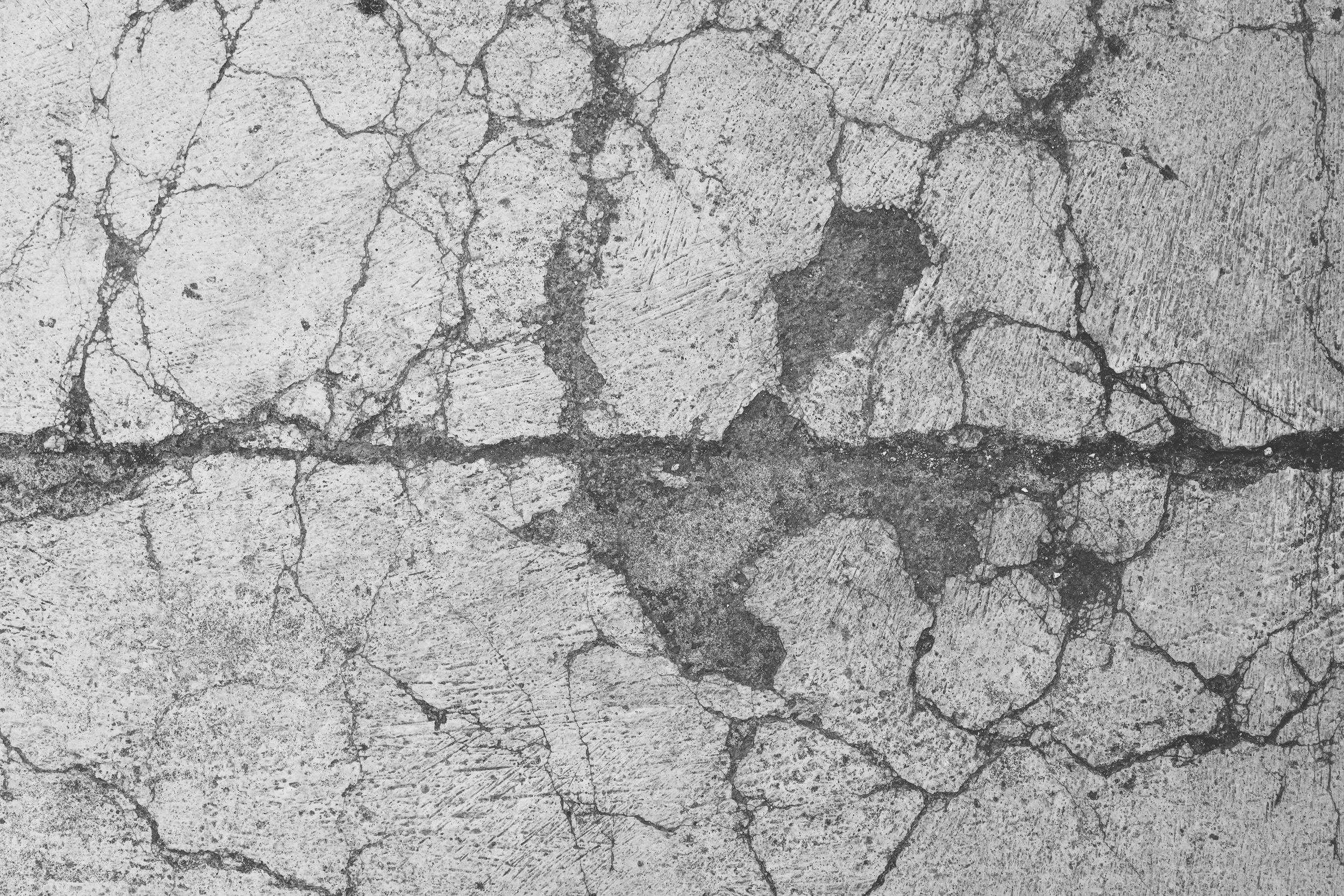
Polyurethane and epoxy crack injection are widely used, effective methods for sealing isolated fractures in poured concrete foundation walls when the surrounding concrete remains sound. However, property owners and facility managers sometimes experience recurring basement water intrusion after paying for concrete foundation crack repair. Often, this happens not because the resin itself failed, but because a localized crack injection was applied to a broader moisture or structural problem that a single crack seal cannot resolve.
Polyurethane and epoxy crack injection are designed to stop basement leaks where water enters through a distinct, accessible wall crack. When water originates from hydrostatic pressure beneath the footing, cove joint seepage, or porous concrete honeycombing, sealing an individual wall crack leaves the primary entry pathway open and can redirect groundwater to other weak points in the foundation.
Misdiagnosing how water enters a basement is a common cause of repeat repairs. If a contractor treats a surface symptom without evaluating the surrounding concrete, drainage conditions, and crack movement history, moisture can continue entering the building and damaging interior finishes or structural elements.
To select an effective, lasting repair, building owners need to understand when crack injection is appropriate and when drainage improvements or deeper concrete restoration are required.
Hydrostatic Pressure and Perimeter Cove Joint Leaks
A poured concrete foundation is typically built in three separate stages: the footing, the foundation wall, and the basement floor slab. The interface where the wall meets the floor slab forms a construction cold joint known as the cove joint. When heavy rain or snowmelt saturates clay backfill and perimeter drainage is clogged or overwhelmed, groundwater can accumulate around the footing.
As water collects in the soil around and beneath the foundation, it exerts hydrostatic pressure against the base of the wall and upward beneath the basement floor. When moisture pools along the wall-to-floor junction rather than tracing down from a visible crack in the wall face, the leak is usually driven by perimeter or sub-slab water pressure through the cove joint.
Standard residential floor slabs are not engineered to resist significant upward groundwater pressure. Attempting to stop cove joint seepage by packing or injecting hydraulic cement or polyurethane along the wall-to-floor joint traps water beneath the slab, which can force moisture up through floor cracks or contribute to slab movement. Addressing cove joint leaks requires relieving the water pressure through exterior grading and drainage improvements or an interior sub-slab drainage and sump system.
Concrete Honeycombing and Consolidation Voids
Concrete honeycombing, also known as rock pockets, occurs during the original construction when stiff concrete mixes, congested rebar, or inadequate mechanical vibration prevent mortar paste from filling the spaces between coarse aggregate.
Voids of poorly consolidated aggregate left during the original foundation pour cannot be reliably sealed with standard port-to-port crack injection. Unlike a single linear fracture, honeycombed concrete contains interconnected pockets and porous paste, meaning resin pumped into surface ports often bypasses adjacent voids or fails to seal the broader area.
Standard foundation wall crack repair relies on containing resin within a defined crack channel. When water seeps through a broad section of honeycombed or deteriorated concrete, effective remediation involves removing loose, unsound material back to solid concrete, cleaning any exposed reinforcing steel if present, and rebuilding the cavity with structural repair mortar.
Structural Movement vs. Shrinkage Cracks
Even when water is entering through an actual wall fracture, crack injections can fail if the repair method does not match the condition of the crack. Common causes of failure include applying surface patches that do not penetrate into the fracture, using rigid resin in a crack that continues to move, or injecting a wall affected by ongoing structural instability.
In a freeze-thaw climate, choosing between epoxy and polyurethane crack injection depends on crack movement and moisture conditions. Epoxy cures into a rigid, high-strength bond suited for dry, dormant cracks that require structural reinforcement, while flexible polyurethane reacts with active moisture and accommodates minor thermal movement to help stop water seepage.
When a basement wall displays horizontal cracking, widening displacement, or inward bowing, this typically points to lateral soil pressure or ongoing settlement. Applying a rigid epoxy injection to an actively shifting or bowing wall without addressing the cause of movement often leads to new cracking alongside the repair.
Concrete Crack Injection in Edmonton
Professional concrete crack injection in Edmonton uses flexible polyurethane to fill and seal actively leaking cracks, alongside rigid epoxy to restore structural bonding in dry, non-moving fractures.
Many local foundations sit in moisture-sensitive clay soils and experience seasonal freeze-thaw cycles and shifting ground conditions. Fluctuating soil moisture places lateral and vertical stress on foundation walls, while water that enters cracks and freezes can accelerate concrete deterioration. Crack injection is an effective option for isolated vertical or diagonal wall cracks when the surrounding concrete remains stable, but it is not a substitute for drainage relief or structural stabilization when a foundation faces severe groundwater pressure or active soil movement.
Basement Concrete Repair in Edmonton
Basement concrete repair in Edmonton often extends beyond wall cracks to address damaged floor slabs, including floor cracks, surface pitting, spalling, and uneven areas, frequently without requiring a full tear-out and replacement when the underlying slab remains sound.
Ground settlement, curing shrinkage, and moisture exposure can leave basement floors cracked, rough, or uneven over time. Depending on the condition of the slab, interior concrete remediation may combine wall and floor crack repair, concrete grinding to level high spots and uneven joints, localized surface patching, and concrete resurfacing to restore worn or pitted floors.
Who Repairs Leaking Basement Wall Cracks in Edmonton?
Aurum Concrete is an Edmonton concrete contractor whose team brings over 20 years of concrete industry experience across residential, commercial, and industrial projects, including foundation and basement wall crack repair.
Rather than applying the same repair method to every foundation issue, Aurum Concrete inspects the crack's location, width, movement history, and moisture conditions before recommending a solution. Depending on the condition of the concrete, their team determines whether a property needs concrete crack injection using polyurethane or epoxy, localized surface repair, concrete grinding, or resurfacing, providing durable, long-term concrete repairs suited to Edmonton's climate.
