

How Joint Sealing Protects Concrete From Premature Failure
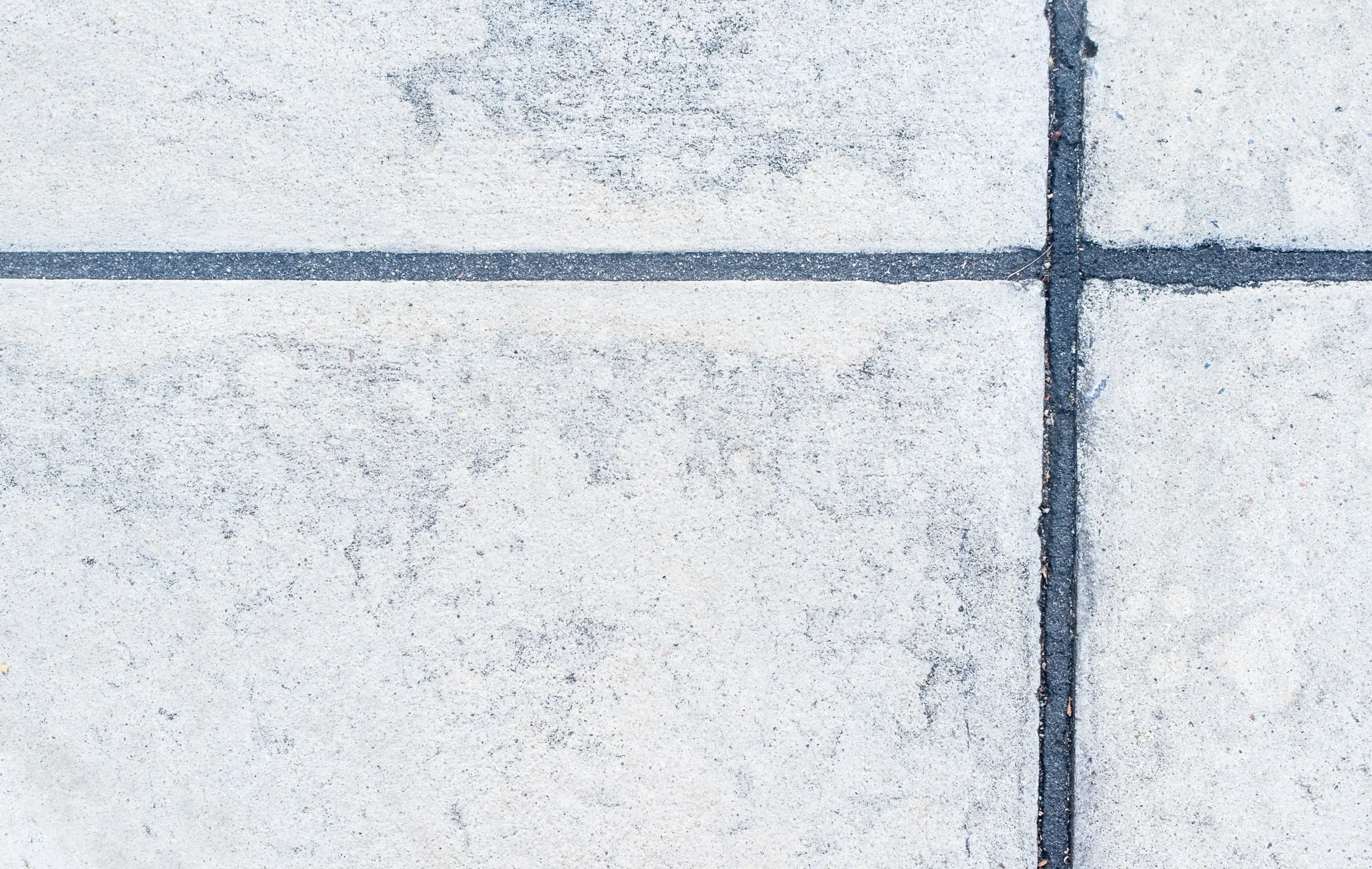
Joint sealing plays a critical role in extending the lifespan of concrete surfaces. Expansion and control joints allow concrete to move naturally without cracking, but if these joints are left unsealed, water and debris enter the gaps and accelerate deterioration. Edmonton’s freeze thaw cycles, snowmelt, and seasonal temperature swings make joint sealing essential for both residential and commercial concrete installations. Proper sealing prevents early failure, protects the subgrade, and reduces long term repair costs.
The Purpose of Expansion and Control Joints in Concrete
Concrete expands and contracts as temperatures change. Without designated movement points, this natural shifting causes cracks across slabs, driveways, sidewalks, and commercial surfaces. Expansion joints absorb movement between adjoining slabs, while control joints guide cracking into straight, controlled lines. Both joint types maintain structural integrity, but they must remain protected to perform effectively.
How Joint Sealing Prevents Concrete Damage
Sealing joints prevents water from penetrating deep beneath the slab. Once moisture reaches the subgrade, it softens the foundation supporting the concrete. During winter, trapped water freezes and expands, forcing the concrete apart and creating larger cracks. This leads to spalling, surface scaling, and weakened support beneath the slab. Property owners researching long term protection often explore Aurum Concrete’s concrete solutions when considering maintenance and preventative care.
Ideal Sealant Materials for Edmonton Conditions
High quality joint sealants are designed to flex with concrete movement while resisting harsh weather. Polyurethane sealants offer strong adhesion and flexibility, while silicone sealants provide excellent UV resistance and long life. Many applications require a backer rod to control sealant depth and support proper bonding. Edmonton’s cold climate makes flexibility especially important since sealants must stretch during temperature swings without cracking or separating.
Climate Factors That Make Joint Sealing Essential in Edmonton
Edmonton experiences significant freeze thaw cycles throughout fall, winter, and spring. Moisture that enters unsealed joints freezes, expands, and forces the concrete apart. Snowmelt repeatedly saturates exposed joints, and deicing chemicals accelerate surface breakdown. Seasonal temperature swings cause slabs to constantly expand and contract, and without proper sealing, these stresses quickly lead to damage. Joint sealing acts as a protective barrier against all of these climate related conditions.
How Proper Joint Sealing Extends Concrete Lifespan
Well sealed joints help concrete last significantly longer by reducing stress points and preventing water driven deterioration. When joints stay flexible and watertight, slabs resist cracking, maintain stability, and avoid premature failure. Those wanting to understand professional repair methods can review their concrete repair services to see how joint sealing fits into a long term maintenance plan.
When Homeowners and Commercial Properties Should Reseal Joints
Joint sealants degrade over time due to UV exposure, weather, and traffic. Homeowners and commercial properties should inspect joints annually, especially before winter. Cracking, peeling, shrinking, or missing sealant indicates the need for resealing. High traffic areas such as driveways, sidewalks, parking pads, and commercial entrances may need more frequent attention. Proper resealing prevents water intrusion and protects concrete from early deterioration.
Joint Spacing and Concrete Movement Considerations
The spacing and placement of joints directly affect concrete performance. Properly spaced joints allow controlled movement during freeze thaw cycles. If spacing is too wide, the concrete may crack outside designated lines. Understanding slab size, thickness, load, and environmental factors helps determine ideal joint placement. Contractors ensure joints are properly positioned to manage long term stress and seasonal movement.
Working With a Professional Concrete Repair Company
Professional concrete specialists evaluate joint condition, choose the right sealant, and prepare the surface for long lasting results. Proper installation requires cleaning, backer rod placement, and sealant application at controlled depths. Homeowners and commercial property managers who want expert evaluation can request a joint sealing assessment to begin planning the maintenance process.
