
Best Repair Method for Uneven Concrete: Grinding vs Lifting vs Resurfacing
Uneven concrete can create trip hazards, drainage issues, and progressive deterioration if the underlying problem is not addressed correctly. However, not every uneven slab requires the same repair approach. Grinding, lifting, and resurfacing each solve different types of concrete problems, and choosing the wrong method can leave the original issue unresolved. Aurum Concrete helps Edmonton property owners evaluate uneven concrete based on settlement severity, surface condition, and long-term performance requirements before selecting a repair strategy.
What Type Of Uneven Concrete Are You Dealing With?
The correct repair method depends on whether the unevenness is limited to the surface or caused by slab movement. Understanding the source of the height difference is often more important than measuring the height difference itself.
Surface Irregularities vs Structural Settlement
Some uneven concrete conditions involve only minor surface lips where one section sits slightly higher than another. In these situations, the slab may remain structurally stable even though a trip hazard exists.
Other cases involve actual settlement beneath the slab. Soil movement, voids, erosion, or support loss can allow portions of the concrete to sink relative to surrounding sections. When settlement is present, simply removing the visible height difference does not correct the underlying support issue.
Distinguishing between surface irregularities and structural settlement helps determine whether material removal, slab lifting, or broader restoration is necessary.
Measuring Height Differences And Trip Risk
The amount of height variation often influences which repair methods remain practical. Small elevation changes may be addressed through grinding, while larger settlement conditions typically require lifting or stabilization.
Trip risk also becomes an important factor. Uneven concrete near sidewalks, walkways, entrances, and frequently traveled areas often requires correction sooner because pedestrian safety becomes a concern.
Height difference alone should not determine the repair method. Surface condition, structural stability, drainage performance, and future movement risk all contribute to the decision.
When Concrete Grinding Is The Right Fix
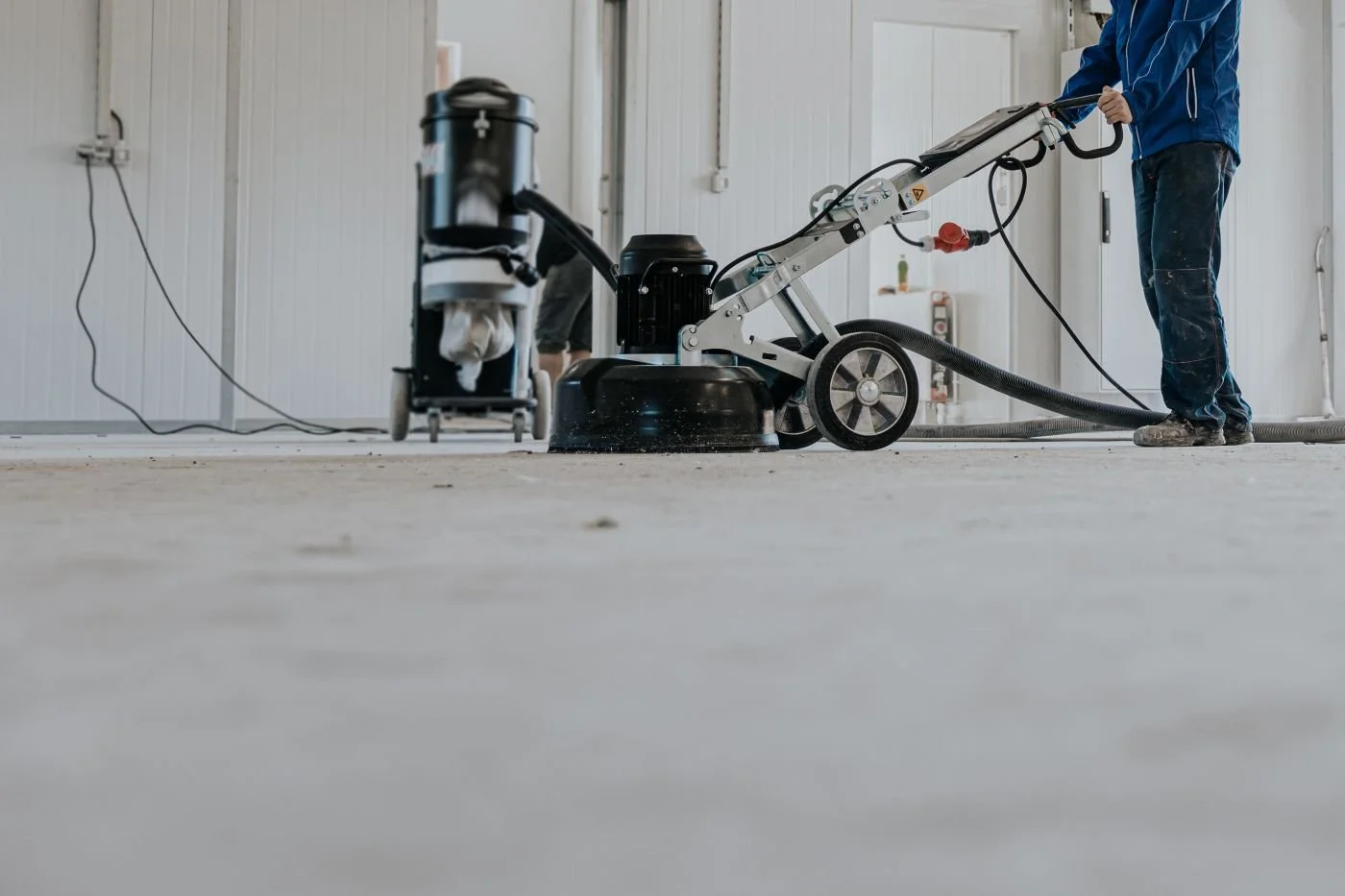
Concrete grinding removes material from elevated sections of concrete to reduce height differences and eliminate trip hazards. It works best when the underlying slab remains stable.
Minor Height Differences And Surface Lip Removal
Grinding is often appropriate when one slab edge sits slightly higher than the adjacent section but neither slab shows significant settlement. The process creates a smoother transition between surfaces without requiring slab replacement or major reconstruction.
Sidewalk joints, driveway panels, garage floors, and walkways commonly develop minor elevation changes that can be corrected through grinding. When the height difference remains relatively small, grinding often provides a fast and cost-effective solution.
Because material is removed from the higher section, the surrounding slab structure must remain stable enough to tolerate the reduction.
Limitations Of Grinding For Deeper Settlement
Grinding becomes less effective as settlement severity increases. Removing large amounts of concrete to compensate for significant elevation differences may weaken the slab, create appearance issues, or expose aggregate beneath the finished surface.
Grinding also does not address soil movement, void formation, or support loss beneath the concrete. If settlement continues after grinding, the unevenness may eventually return.
For this reason, grinding is generally considered a surface correction method rather than a structural repair solution.
When Lifting Or Leveling Is Required
Concrete lifting raises sunken slabs back toward their original elevation by stabilizing and filling voids beneath the concrete. It addresses support problems rather than removing material from the surface.
Sunken Slabs And Void-Related Settlement
Lifting is commonly used when slabs have settled because of soil consolidation, erosion, moisture-related movement, or void formation beneath the concrete. By restoring support below the slab, lifting can often correct significant elevation differences without requiring removal and replacement.
Driveways, sidewalks, patios, warehouse floors, and garage slabs are common candidates for lifting when settlement remains localized and the concrete itself remains structurally sound.
One advantage of lifting is that it addresses the reason the slab moved rather than simply modifying the visible surface condition.
When Lifting Fails To Address Surface Damage
While lifting can restore elevation, it does not automatically repair surface deterioration. Scaling, spalling, extensive cracking, surface wear, and cosmetic damage may remain visible after the slab has been leveled.
A slab can be level while still exhibiting significant surface distress. In these situations, lifting may restore support conditions but may not fully address appearance or surface performance concerns.
When both settlement and surface deterioration exist, additional repair methods may be necessary after leveling is completed.
When Resurfacing Provides A Better Outcome
Resurfacing creates a new surface layer over existing concrete when the slab remains fundamentally stable but the visible condition has deteriorated.
Combining Level Correction With Surface Renewal
Resurfacing may provide a better outcome when surface wear, scaling, minor imperfections, and localized unevenness occur together. In some situations, corrective work can first address minor elevation issues before a resurfacing system restores a more uniform finished appearance.
The process allows property owners to improve both functionality and surface condition without complete slab replacement. This can be particularly beneficial when existing concrete remains structurally usable but no longer performs well cosmetically. Resurfacing focuses primarily on surface restoration rather than correcting major structural movement.
When Resurfacing Cannot Fix Underlying Movement
Resurfacing does not stop settlement, void formation, soil instability, or ongoing slab movement. Applying a new surface over actively moving concrete often results in recurring cracks, surface separation, or premature failure.
If the slab continues shifting beneath the resurfacing material, the original problem typically reappears through the new surface layer. Structural stability must therefore be evaluated before resurfacing is selected.
Movement-related problems generally require stabilization before surface restoration can provide lasting results.
Comparing The Three Methods By Outcome And Risk
Concrete Grinding
Best for minor height differences and trip hazards
Does not address settlement beneath the slab
Limited effectiveness for significant elevation changes
Lower disruption and relatively quick completion
Risk of recurring issues if underlying movement continues
Concrete Lifting
Best for sunken slabs caused by settlement or voids
Addresses support conditions beneath the concrete
Preserves existing concrete when structurally sound
Does not repair significant surface deterioration
May require additional repairs if surface damage is extensive
Concrete Resurfacing
Best for worn or deteriorated concrete surfaces
Improves surface appearance and functionality
Can complement other repair methods
Does not correct active settlement or instability
Performance depends on the condition of the existing slab
The correct choice depends on whether the primary issue involves elevation loss, surface deterioration, or a combination of both.
Selecting The Right Concrete Repair Approach For Edmonton Properties
Edmonton concrete surfaces experience seasonal freeze-thaw cycles, soil movement, moisture fluctuations, and long-term wear. These conditions can create different forms of unevenness that require different repair approaches.
Grinding works best for stable slabs with minor height differences. Lifting becomes more appropriate when settlement has occurred beneath otherwise sound concrete. Resurfacing often provides value when surface deterioration affects performance but structural stability remains intact.
Aurum Concrete evaluates slab condition, movement patterns, settlement severity, and surface performance before recommending a repair strategy. By matching the repair method to the actual cause of the unevenness, Aurum Concrete helps property owners avoid unnecessary work, reduce future maintenance issues, and improve long-term concrete performance.
