

Garage Floor Damage: Repair, Resurface, or Coat?
Garage floor damage can be difficult to judge because cracks, pitting, stains, and surface wear do not always require the same solution. The right choice depends on whether the problem is structural, surface-level, or mainly related to protection and appearance. Aurum Concrete helps Edmonton homeowners evaluate garage floor repair, resurfacing, and coating options based on slab condition and long-term use.
What Type of Garage Floor Damage Are You Dealing With?
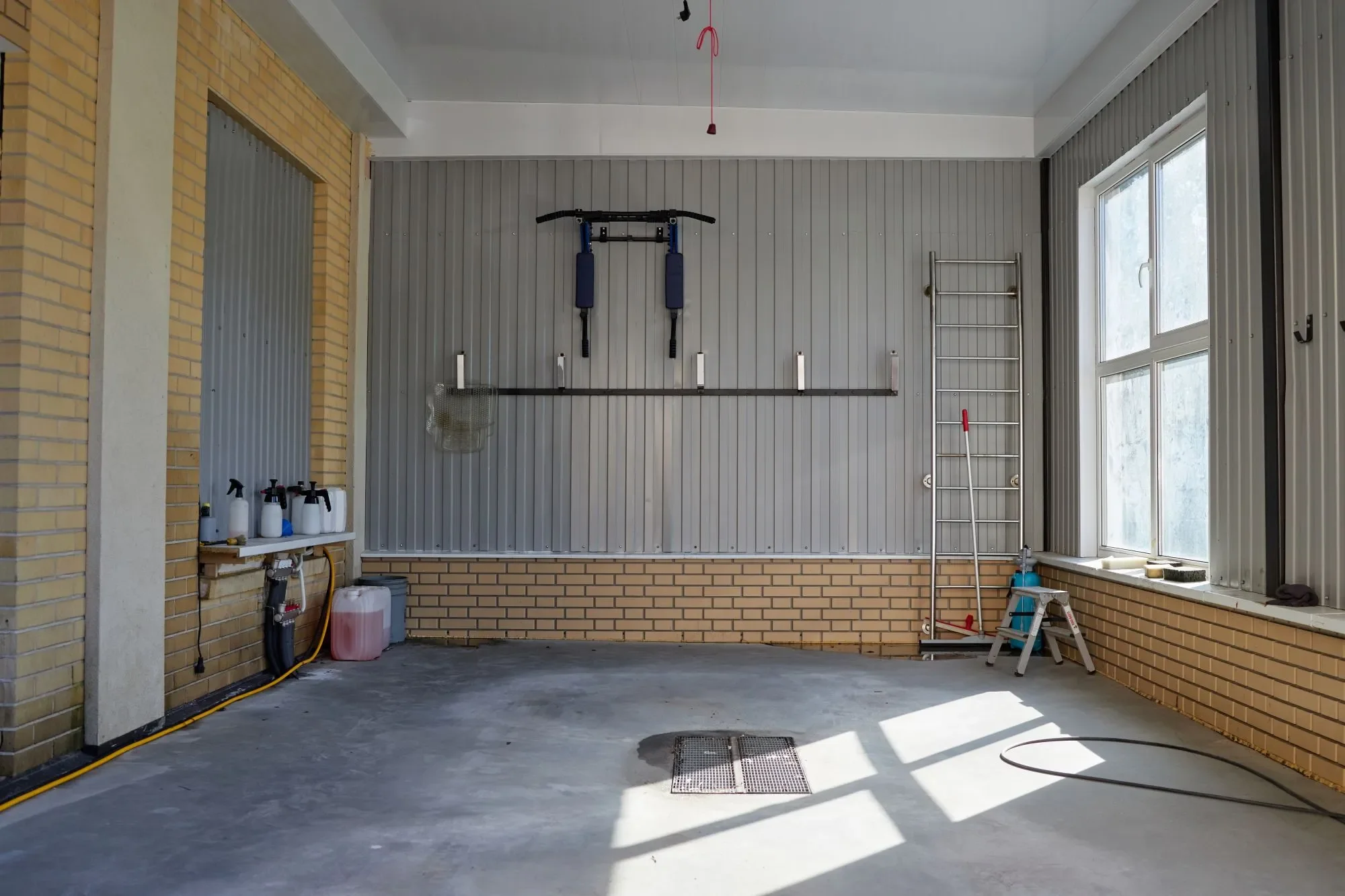
The first decision is whether the damage affects the concrete itself or only the visible surface. A garage floor with active cracking, movement, or loose concrete needs a different approach than a floor that is worn but stable.
Garage floors commonly show more than one type of damage at the same time. Cracks may appear near pitted areas, stains may sit over weakened concrete, and salt damage may make the surface too rough for a coating without preparation.
Cracks, Pitting, and Surface Wear
Cracks should be assessed before any resurfacing or coating decision. Narrow, stable cracks may be repaired as part of a surface preparation process, while wider or moving cracks may point to settlement, slab movement, or deeper stress.
Pitting and surface wear usually affect the top layer of the concrete. If the slab underneath remains sound, resurfacing or coating may still be possible after loose material is removed and the surface is properly prepared.
Oil Stains and Surface Breakdown
Oil stains matter because they can prevent repair materials, overlays, or coatings from bonding properly. A stained floor is not automatically unusable, but the contaminated areas need to be cleaned, degreased, and evaluated before choosing a finish.
Surface breakdown is different from staining. If the concrete is soft, dusty, or flaking away, applying a coating over it will not correct the weak substrate underneath.
Scaling From Salt and Moisture
Scaling is common on Edmonton garage floors because vehicles bring in snow, road salt, and moisture through winter. As that moisture enters the surface and freezes, the top layer can loosen, flake, or become rough.
Light scaling may be handled through surface preparation and resurfacing. Severe scaling may require deeper repair before any coating or overlay can perform properly.
When Concrete Repair Is the Right First Step
Concrete repair is the right first step when the floor has cracks, broken edges, spalling, low spots, or unstable areas that could continue to deteriorate under a new surface. Repair addresses defects before the floor receives a resurfacing layer or protective coating.
Cracks should usually be repaired before resurfacing or coating because they can reflect through the new finish. Repair does not make every crack disappear permanently, especially if the slab continues to move, but it reduces the risk of premature failure.
Repair is also needed when damaged concrete would prevent proper bonding. Loose, hollow, or crumbling sections should not be covered until the weak material is removed and rebuilt.
When Resurfacing Makes More Sense Than Repair
Resurfacing makes more sense when the garage floor is generally sound but has widespread surface wear, scaling, pitting, or an uneven finish. Instead of treating isolated defects only, resurfacing rebuilds the top layer with a bonded overlay.
Resurfacing can be strong enough for vehicle traffic when the existing slab is stable, the surface is prepared correctly, and the overlay is selected for garage use. It is not a substitute for correcting major slab movement, deep structural cracking, or a failing base.
This option is often practical when spot repairs would leave the floor patchy or when the damaged area is too broad for isolated repair to make sense.
When a Concrete Coating Is the Better Solution
A concrete coating is the better solution when the floor is structurally sound and the goal is protection, easier cleaning, and improved surface performance. Coatings are commonly used on garage floors to help resist staining, moisture exposure, and wear from regular use.
A coating should not be chosen only to cover damage. If the concrete underneath is cracked, contaminated, dusty, or weak, the coating may fail even if it looks good at first.
What Coatings Protect vs What They Hide
Coatings protect the prepared concrete surface from moisture, staining, and everyday garage wear. They can also improve appearance and make the floor easier to clean.
Coatings do not correct slab movement, rebuild missing concrete, or strengthen a weak surface. They may visually reduce minor imperfections, but they should not be treated as a structural repair.
When Coatings Fail Due to Poor Surface Conditions
Coatings often fail when they are applied over moisture, oil contamination, loose concrete, or a surface that has not been mechanically prepared. Poor adhesion can lead to peeling, bubbling, flaking, or worn areas under vehicle traffic.
Failure is also more likely when cracks or scaling are ignored before installation. The coating depends on the condition of the concrete beneath it, not just the product applied on top.
How to Choose Between Repair, Resurfacing, and Coating
Choosing the right approach depends on what the floor actually needs corrected versus what you want it to do long-term.
Damage severity:
Repair is used when there are cracks, broken areas, or structural defects that need to be fixed before anything else
Resurfacing is used when damage is widespread across the surface but the slab underneath is still stable
Coating is used when damage is minimal and the goal is protection rather than correction
Surface condition:
Repair is required when sections are loose, crumbling, or unstable
Resurfacing works when the surface can be mechanically prepared and bonded to
Coating requires clean, solid, properly prepared concrete with no contamination or weak areas
Moisture exposure:
Repair may be needed to address areas affected by water intrusion or deterioration
Resurfacing can be applied if moisture issues are controlled and the surface is properly prepared
Coatings perform best when moisture is not actively moving through the slab or trapped below the surface
Intended use, storage vs heavy use:
Repair restores damaged areas so the floor can handle normal use again
Resurfacing can support vehicle traffic when installed over a stable base
Coatings are suitable for garages used for parking and storage, provided the underlying concrete is sound
Longevity expectations:
Repair extends the life of the slab by addressing failure points
Resurfacing improves the usable surface without full replacement
Coatings provide surface protection, but their lifespan depends on preparation and the condition of the concrete underneath
Why Skipping Surface Preparation Leads to Failure
Surface preparation determines whether repair materials, overlays, or coatings bond to the concrete. A garage floor may look clean while still holding oil, dust, loose cement paste, moisture, or old sealers that interfere with adhesion.
Preparation may include cleaning, degreasing, grinding, crack repair, and removing weak surface material. The exact process depends on the floor condition and the treatment being applied.
Skipping preparation can turn a repairable floor into a failed project. The most common result is separation between the existing concrete and the new material placed over it.
Can These Solutions Be Combined for Better Results?
Repair, resurfacing, and coating can be combined when the floor has multiple problems. A common sequence is repairing cracks or damaged areas first, resurfacing the floor if the surface is broadly worn, then applying a coating if added protection is needed.
Combining solutions only works when each step is compatible with the next. Repair materials must cure properly, the resurfaced layer must bond correctly, and the final surface must be prepared for the coating system.
Not every floor needs all three. A stable floor with light wear may only need coating, while a heavily worn floor may need repair and resurfacing before protection is considered.
Best Approach for Garage Floors in Edmonton’s Climate
Edmonton garage floors face freeze-thaw cycles, road salt, snowmelt, and temperature swings. These conditions make surface preparation and moisture control more important than appearance alone.
For winter durability, the best approach is usually to correct concrete damage first, rebuild worn surfaces where needed, then protect the floor with a system suited to moisture and salt exposure. Skipping the repair stage can shorten the life of resurfacing or coating work.
The longest-lasting result depends less on choosing the most expensive option and more on matching the treatment to the actual condition of the slab.
Garage Floor Repair and Coating Services in Edmonton
Aurum Concrete provides garage floor repair, concrete resurfacing, grinding, surface preparation, and protective coating services in Edmonton. Each garage floor is evaluated based on cracking, surface wear, moisture exposure, contamination, and intended use before a repair or finishing approach is recommended.
For damaged garage floors, the right solution may be a single repair, a resurfaced wear layer, a protective coating, or a combination of treatments. The goal is to address the condition of the concrete first, then apply the finish that fits the floor’s use and Edmonton’s climate.
